
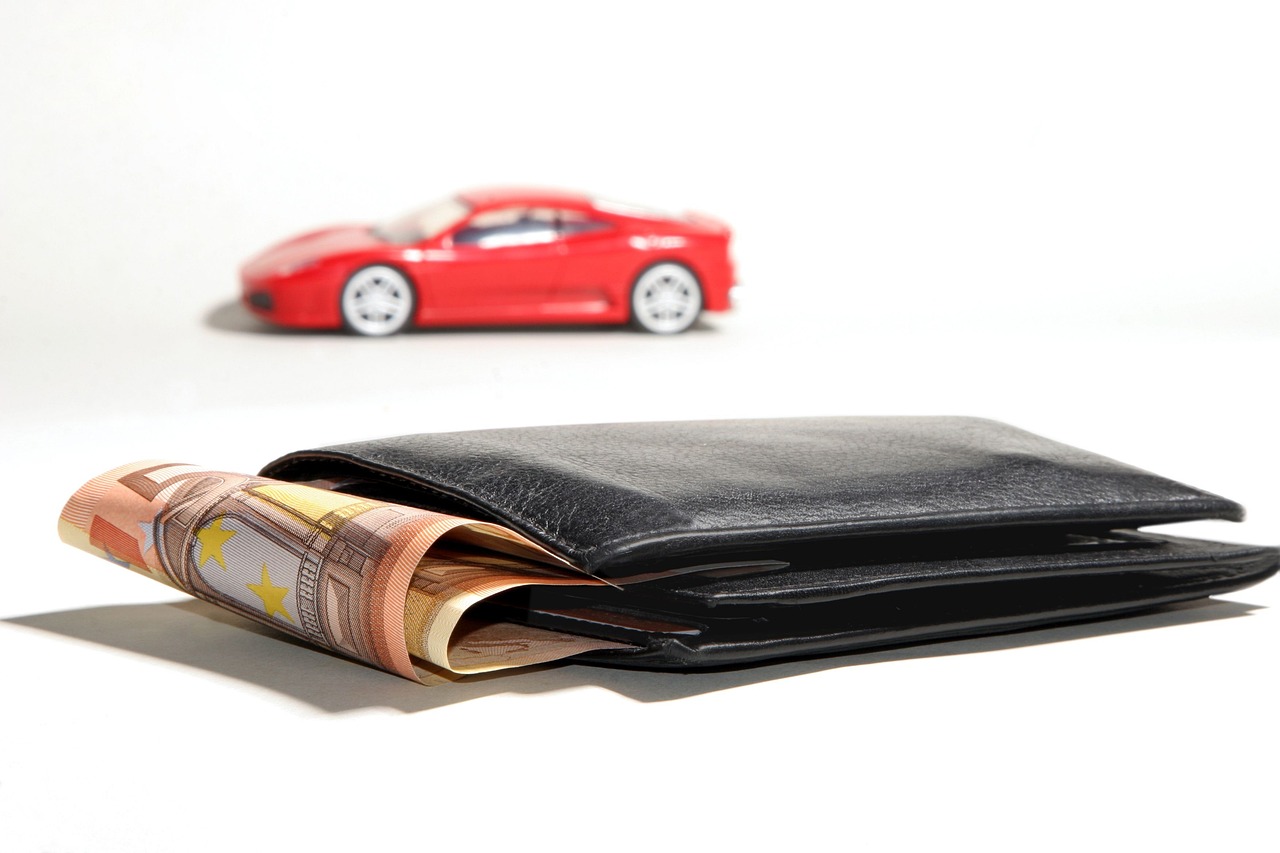
Paying Cash
A cash purchase means paying the full price of the vehicle upfront — no loan, no interest, and no monthly payments.
Pros:
Cons:
Financing a Vehicle
Financing allows you to spread out the cost of your car through monthly payments over a set period (usually 24 to 84 months).
There are two main types of auto financing: through a bank or through a dealership.
1. Bank or Credit Union Financing
2. Dealership Financing
Possible drawbacks:
Your decision depends on your financial situation, goals, and the type of vehicle you want.
Pay Cash if…
Finance if…
Before signing any loan agreement, compare offers carefully and understand all associated costs.
Main things to look for:
💡 Tip: Use an auto loan calculator to estimate your total cost including interest and taxes.
Paying cash offers peace of mind — no debt, no monthly payments, and full ownership.
However, it can also reduce your financial flexibility, especially in uncertain times.
For example, if you spend $15,000 cash on a car, that’s $15,000 you can’t use elsewhere — for investments, renovations, or emergencies.
A cash purchase makes perfect sense when:
Financing a used vehicle is slightly different than financing a new one.
Higher Interest Rates
Lenders consider used vehicles a slightly higher risk.
That said, if the car is fairly recent (under five years old), rates are often very close to new car loans.
Vehicle History and Inspection
Before financing, ensure the car has been inspected and certified.
Always check the vehicle history report (Carfax) to confirm mileage and accident records.
Loan Duration
Used car loans are typically shorter (36 to 60 months).
This helps prevent paying for an older car long after it’s lost value.
Leasing is usually associated with new vehicles, but some certified pre-owned programs now offer used car leases.
Advantages:
Disadvantages:
The sticker price doesn’t tell the whole story when financing a car.
Here’s a real-world example:
➡️ Total paid: about $23,300
That means $3,300 in interest over the life of the loan.
💡 Aukcio tip: Always compare the total cost of financing versus paying cash before deciding.
1. Is it better to pay cash for a used car?
Yes — if you can do so without straining your finances. You’ll avoid interest charges and own the car right away.
2. What’s a good interest rate for a used car loan in Canada?
Typically between 6% and 9%, depending on your credit score, lender, and the vehicle’s age.
3. Can I finance a car from a private seller?
Yes. Many banks and lenders now allow private sale financing, including vehicles purchased through platforms like Aukcio.
4. Does an auto loan improve credit?
Yes, if you make payments on time. A car loan helps build a positive credit history over time.
5. How much down payment is required?
Most lenders ask for 10% to 20% of the car’s price, but requirements vary depending on your credit profile.
Choosing between cash and financing depends on your personal goals and comfort level with debt.
If you value simplicity and ownership, paying cash is a great choice.
If you prefer to manage your cash flow and maintain flexibility, financing often makes more sense.
Whatever you decide, take time to compare offers, review your total cost, and use Aukcio’s online tools to find the best used car deals in Quebec — whether you pay cash or choose to finance.

